Advice November 29, 2026, 4 minute read
The parts of a power steering system, and how each one fails
The pump, the fluid and hoses, and the rack: what each power steering part does, how it fails, and how electric steering differs.
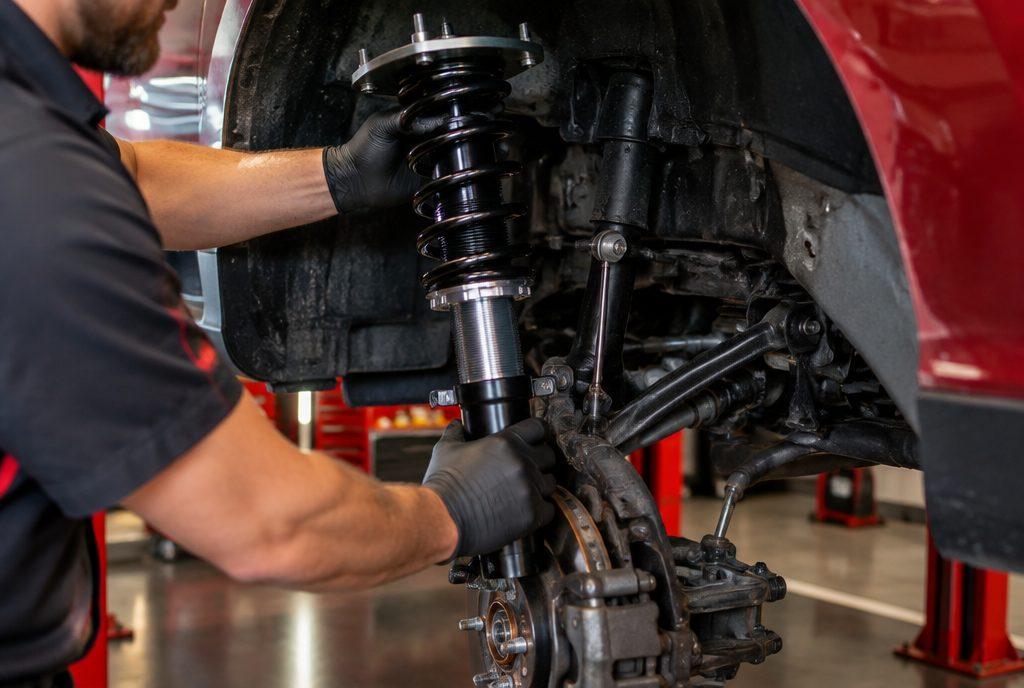
Power steering is why you can turn a 4,000-pound SUV with one hand in a parking lot. Many cars and most older trucks use a hydraulic system with three main parts. When the wheel gets heavy or starts to groan, it's usually one of these.
1. The pump
The power steering pump puts the fluid under pressure. It's bolted to the engine and turned by the serpentine belt, but it isn't part of the engine itself, so it can be replaced without opening the engine up. Signs of a failing pump:
- A whine or groan that gets louder as you turn the wheel
- Steering that is heavy at low speed and normal on the highway
- A squeal from the belt when you turn
2. The fluid, reservoir and hoses
Fluid carries the pressure from the pump to the steering gear and back. A high-pressure hose runs out to the gear and a return hose brings the fluid back to the reservoir. Low fluid is the most common reason a pump gets noisy, and the fluid doesn't get used up. If the level is low, it's leaking somewhere. Look for:
- A red or amber puddle under the front of the car
- Fluid that looks dark or foamy, or smells burnt
- A pump that goes quiet after topping off and gets noisy again a week later
3. The rack and pinion
The rack and pinion, or a steering gearbox on some trucks, turns the rotation of the steering wheel into the side-to-side push that moves the front wheels. Fluid pressure inside it does most of the work. Tie rods connect each end of the rack to the wheels. Signs of wear:
- Fluid leaking from the rubber boots at the ends of the rack
- A dead spot or looseness when the wheel is centered
- A clunk when you turn or go over bumps, which often points to a worn tie rod
- The car wandering on a straight road
What about electric power steering?
Many newer cars have no pump and no fluid. An electric motor on the steering column or on the rack does the assisting. These systems don't leak, but when one fails you usually get a steering warning light and the wheel gets heavy all at once. That needs a scan tool to diagnose.
What to do if your steering feels wrong
- Check the fluid level if your car has a reservoir, and top it off with the fluid your owner's manual lists
- Don't hold the wheel hard against the stop, which puts the most load on the pump
- Get it looked at soon, because a pump that runs dry fails quickly and a loose tie rod is a safety problem
Potholes on Telegraph, Ford Road and 8 Mile are hard on tie rods and ball joints. The front-end inspection is free at all 8 Redford Auto Repair shops. We check the steering and suspension for wear, noise and leaks, show you what we find, and quote any repair before we start.